Building Safe School Mobility in Latin America - Movi·Lab Escolar supported by FIA Foundation and IDB
08 June 2026
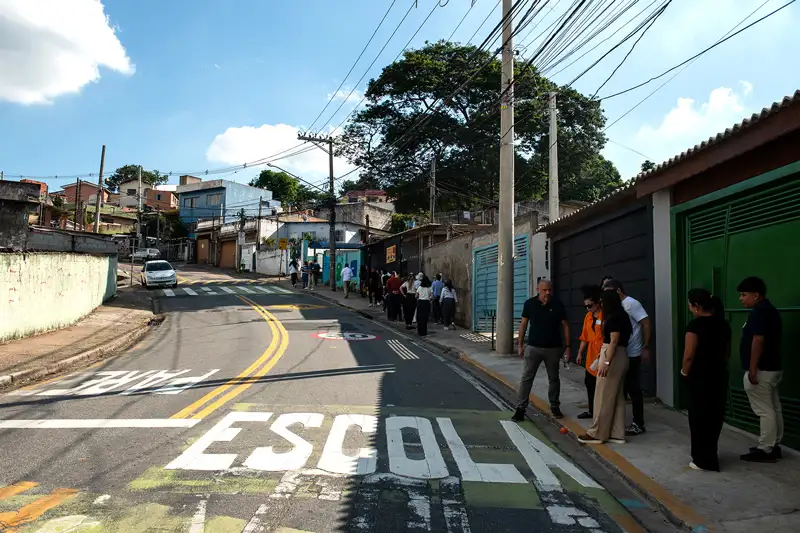
Safer school journeys in Latin America were the focus of a region-wide conference bringing together policy, technical and practical expertise, organised by the Inter-American Development Bank (IDB) and FIA Foundation.
More than 60 representatives from governments, international organisations, FIA auto clubs, civil society and academic institutions from across Latin America and the Caribbean gathered in São Paulo for the second Movi·Lab Escolar Policy Laboratory, with the Tecnológico de Monterrey’s Centre for the Future of Cities, Insper and Cidade Ativa alongside technical partners including Despacio, Amend, UNITAR, and iRAP. Expertise was also brought in from the Amend NGO which has achieved significant results and has world-leading expertise on school area road safety in sub-saharan Africa.
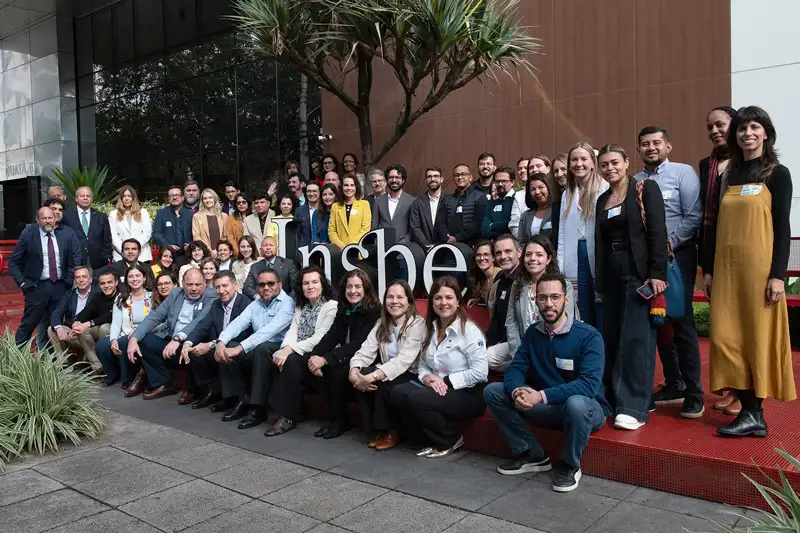
The regional initiative is working to make children's journeys to and from school safer, healthier and more inclusive. Together, these organisations have formed a network of collaboration to ensure that every child can travel safely to school.
The event brought together beneficiary countries and cities from across the region, with participants sharing experiences, exploring innovative approaches to school mobility and collaborating on tools and indicators to improve road safety. It was an important opportunity to link FIA Foundation partners with the IDB working towards scaled-up results on school area road safety.
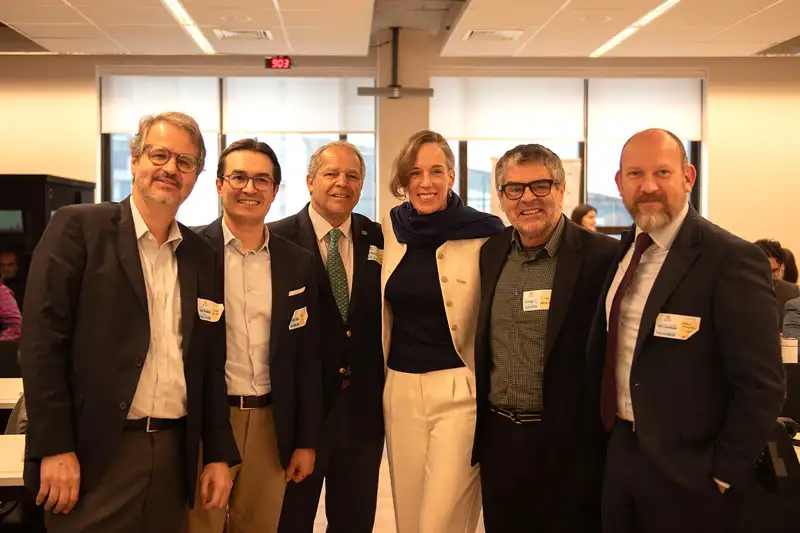
The three-day programme opened with discussions on the importance of safe mobility in Latin America and the Caribbean, alongside presentations from experts on road safety, urban planning and child health, including FIA Foundation Interim Executive Director Avi Silverman, Child and Youth Director Atsani Aribowo, and Programmes Manager Rafaela Machado. Sessions highlighted Brazil’s National Safe School Mobility Strategy, Vision Zero initiatives and international experiences promoting safer school environments, as well as a Child Health Initiative panel on the intersection of safe school mobility with children's health, wellbeing and development.
On the second day, participants travelled to Jundiaí, one of Brazil’s leading cities in child-centred urban planning. Delegates visited the Guanabara and Novo Horizonte neighbourhoods to observe local projects that prioritise safe, accessible routes between homes and schools. Workshops focused on developing indicators to measure the benefits of Safe School Mobility Programmes, particularly their impacts on health, education and wellbeing.
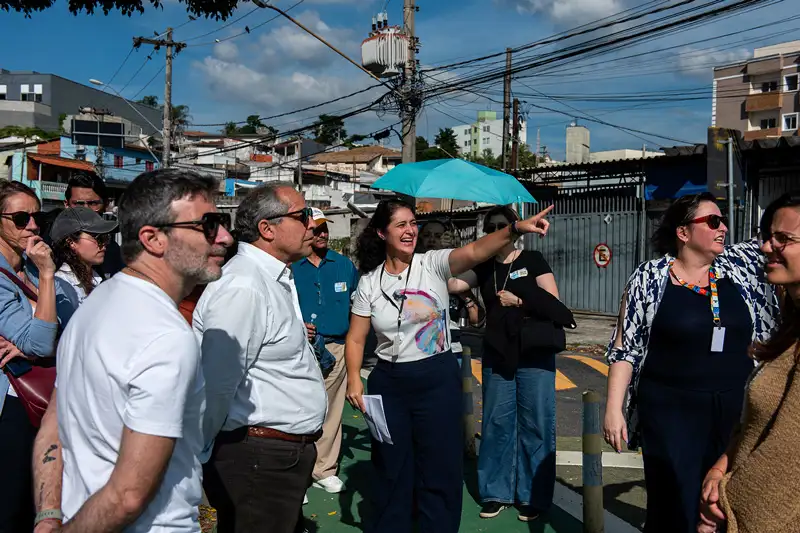
The final day concentrated on innovation and collaboration with FIA auto clubs. Participants explored examples of child-friendly urban design, including Star Ratings for Schools , the Caminhos do Brincar project and Urban95 initiatives, before taking part in a co-design workshop to develop tools to support the planning, monitoring and evaluation of safe school mobility programmes. The meeting concluded with discussions on future regional cooperation and the next steps for the initiative.
Avi Silverman, FIA Foundation Interim Executive Director, said: “We’re delighted to have formed a strong collaboration with the Inter-American Development Bank working together for results at scale on school area road safety across the region. We’ve taken the first important steps, bringing together global and regional technical expertise with the FIA auto clubs, NGOs, and practitioners all focused on transforming journeys to school . This conference has strengthened networks and begun building the capacity to deliver change with new tools, knowledge and experience.”